The Evolving Role of a Social Media Manager in the Digital Age
Social Media

The Evolving Role of a Social Media Manager in the Digital Age

Over the past ten years, the field of digital marketing has undergone explosive change, and one function that has changed most dramatically is that of the social media manager. Originally seen as only a post scheduler and a comment responder, today’s social media manager is a multidisciplinary expert. To enable brands to flourish in a hyper-connected environment, they must combine strategy, analytics, creativity, and even customer service. Let’s explore how this position has evolved, why it is more important than ever, and what lies in this field ahead. From strategic powerhouse to content scheduler Early in the decade of 2010, companies saw social media as a secondary tool. Mostly used for casual interaction on sites like Facebook and Twitter. At that time, a social media manager would usually concentrate on schedule management, post writing, and keeping the comment section free. By now, this position calls for far more. Today’s brand strategy depends on modern social media managers, absolutely. They work with designers to produce striking images, coordinate campaigns, and examine performance data to maximize next initiatives with marketing teams. Their observations typically influence more general marketing decisions since they show that social media is a strategy in itself, not only a tool. Essential Tools for Contemporary Social Media Managers A social media manager who wants to succeed now has to be multi-skilled. Here is a list of the most fundamental: The times when one could rely just on imagination. Today’s social media manager is supposed to keep the voice of the business while making data-driven judgments. Embracing YouTube Marketing as a Growth Channel The emergence of YouTube marketing is one significant change of recent years. Being the second biggest search engine in the world, YouTube has evolved into a gold mine for audience involvement and brand awareness. These days, social media managers handle YouTube content schedules, search engine optimization of videos, viewer behavior analysis, and the use of clips for viral expansion. Moreover, marketers are leveraging YouTube to establish authority and trust since long-form material and lessons are so popular. Any all-encompassing plan must start with social media managers knowing how to properly script, publish, and promote material. Technology and Automation: Industrial Game-Changers Combining artificial intelligence techniques with automated systems has transformed social media management work. Scheduling posting, automated reports, and even sentiment analysis are made possible by tools such as Hootsuite, Buffer, and Sprout Social. Along with saving time, this improves consistency and accuracy. Platforms driven by artificial intelligence nowadays help with trend research, hashtag creation, and content brainstorming. Managers can concentrate less on repetitive chores and more on creative direction. Still, human touch is indispensable—especially in relation to audience interaction, crisis communication, and brand voice. Problems and Opportunities in a Changing Environment Though the position is becoming more and more important, it is also becoming more demanding. Social media algorithms are continually evolving; new platforms surface often, and viewer expectations are higher than they have ever been. But these difficulties also present enormous opportunities. For those who keep ahead of the curve, the digital age presents countless possibilities. New possibilities for brand interaction are opened by emerging sites like Threads and YouTube marketing’s increasing sway. Those social media managers who welcome these changes might turn into very valuable assets for their companies. Top responsibilities of Social Media Managers today: Essential Tools for Social Media Professionals of Today Social media managers often depend on a range of technologies to be productive and efficient: The Future of the Role: Human-Centered and Hybrid The job of a social media manager will only keep changing. Rising virtual reality, augmented reality, and immersive digital experiences will probably cause managers to collaborate closely with developers and product teams. Audiences are also yearning for more real, personal relationships at the same time; therefore, actual storytelling takes center stage above perfected execution. Therefore, even though technology will always help, the human element—empathy, creativity, and intuition—will always be the most appreciated ability set in the sector. Conclusion From behind-the-scenes organizer, the digital era has turned the social media manager into a front-line strategist. This is now more important than ever since platforms like Instagram, Twitter, TikTok, YouTube, and others take center stage in marketing campaigns and automation tools improve output. Investing in trained social media management is not optional for companies trying to remain relevant and competitive; it is absolutely necessary.
good off page seo tips
SEO

Good off-page SEO tips for getting backlinks and building authority

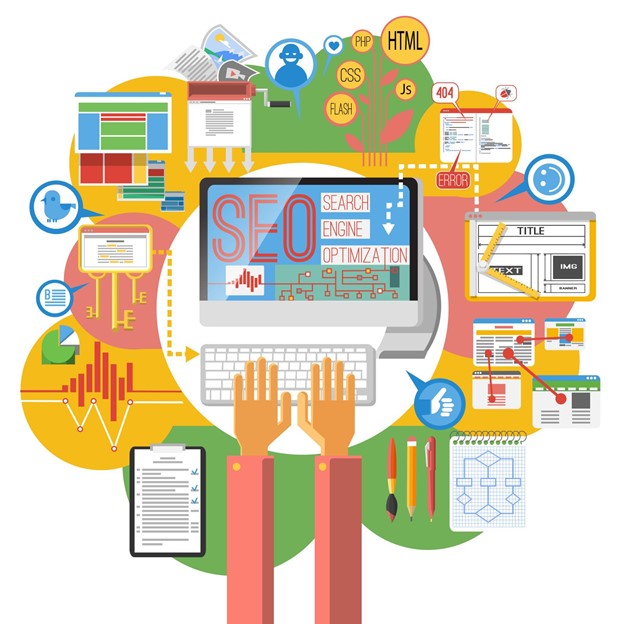
Off-page SEO is like the street cred of your website. It’s not enough to just do things on your site; you also need to pay attention to what other people say about you. Search engines like Google are more likely to notice you if you have a good online reputation. On-page SEO is about making your content, structure, and keywords as good as they can be. Off-page SEO is about getting other sites to trust and recommend you. In this article, we’ll talk about what makes off-page SEO so effective, how to get backlinks, and how to naturally improve all of your SEO ranking factors. What is Off-Page SEO, and Why Is It Important All the things you do outside of your own website that affect your rankings in search engine results pages (SERPs) are part of off-page SEO. Backlinks are the most important part, but brand mentions, social media activity, guest posting, partnerships with influencers, and online reviews are also important. These signals tell search engines how important and relevant your website is. This is how it works: if a lot of well-known sites link to your content, Google thinks, “This site must be doing something right.” Off-page SEO also helps people trust you. When people see your website linked to by trustworthy sites, it makes your brand seem more real, which leads to higher rankings, more Tried-and-true off-page SEO tips for building authority Let’s get to the good stuff, the strategies that really make a difference. 1. Building links by reaching out to people with good content This is still the most important part of off-page SEO. But these days, it’s not about sending out a lot of emails and asking for links. It’s about making content that naturally gets links instead. We’re talking about original research, infographics, data-driven content, and useful resources that people really want to link to. Then, you promote it by reaching out to relevant websites, journalists, and bloggers in a way that is unique to each one. People are more likely to share and link to your content if it is useful. 2. Use guest posting wisely Guest posting on well-known blogs in your field can help you build authority and get relevant backlinks. But don’t just write to leave a link; make sure you add real value. Make sure your writing is interesting and relevant to the audience of the host site. Also, check to see if the blog isn’t spammy. A guest post from a site that isn’t very good might do more harm than good. 3. Use social media to get people involved Social media may not have a direct effect on SEO, but it does help people find your content and learn about your brand. The more people share your content, the more likely it is that bloggers, journalists, or others looking for useful information will find it. Using LinkedIn, X (formerly Twitter), Facebook, and Instagram regularly helps build community and, by extension, links. More Off-Page SEO Tips Working with industry leaders can help you reach new people and get high-quality backlinks from their blogs or newsletters. Being active on sites like Quora or Reddit and really helping people (with links when they make sense) can bring in traffic and build your reputation. Just don’t spam. More advanced ways to build links Broken Link Building This one is sneaky but works. You look for broken links on sites with a lot of authority and then suggest your own (relevant) content as a replacement. You get a backlink in return for helping them fix their site. The Skyscraper Method Here’s how it works: look for content in your niche that does well, make something better, and then contact the same people who linked to the first one. This method takes time, but when done correctly, it often gets great results. How to Make Off-Page SEO Work with SEO Ranking Factors So, what role does off-page SEO play in the bigger picture of SEO ranking factors? Backlinks are one of the three most important things that search engines look at when ranking sites. But not all links are the same. A few links from websites with a lot of domain authority are much more important than dozens of spammy ones. Having backlinks from different domains, regions, and types of content also helps show that your site is growing naturally. Brand trust built through off-page efforts can affect user signals like dwell time and click-through rate, which also have a small effect on overall SEO strength. Things You Shouldn’t Do in Off-Page SEO If you’re not careful, off-page SEO can be hard. This is what you shouldn’t do: Conclusion Building relationships is just as important as building backlinks when it comes to off-page SEO. It’s about getting people to trust you on the web and letting other sites say how good you are. On-page SEO gets you in the door, but off-page SEO makes sure you get to stay. Make sure your tactics are honest, offer real value, and build high-quality links over time. Building a strong network of connections may take some time, but your site’s authority and traffic will come after that. And yes, don’t try to cheat the system. Google is smarter than all of us. If you play the long game, you’ll win.

Social Media Management
Social Media

Why Social Media Management is Key to Brand Consistency and Growth

Social media management has developed in the digital era of today into more than merely sharing updates or addressing comments. It is absolutely important for preserving brand consistency, fostering trust, and promoting steady development, as well as for having a well-managed presence on sites like Instagram, Facebook, and Twitter, which becomes crucial as customers interact more regularly with companies online. Strategic social media management is a pillar of modern marketing, regardless of size, small business, or worldwide brand. The Value of Platform Brand Consistency Consistency in branding guarantees that clients will identify your company at all points of contact. Maintaining a consistent presence on social media helps to build brand awareness and credibility from logos and tone of voice to images and messaging. Stronger customer loyalty results from a consistent brand, also fostering an emotional connection. Without a strong social media management plan, messages could get scattered, tone might change on different platforms, and the brand identification could weaken with time. Effective planning and execution then become rather important here. Essential Social Media Management Roles for Business Development When used effectively, social media is among the most effective instruments available for expansion. It helps as follows: Through careful social media management, followers become devoted consumers by developing a relationship over time. Strategic Content Creation for Continuous Development Every great social media presence results from a strong content strategy. Good planning is matching material to audience tastes, corporate goals, and platform-specific trends. Content calendars enable uniformity, aid in scheduling posts, and help to minimize last-minute anarchy. While analytics systems give information to maximize next campaigns, tools like Buffer or Hootsuite simplify the posting procedure. Content also has to change with audience behavior. Trends are fast-changing; a competent manager adjusts the message, style, and tone to remain relevant without sacrificing the core of the brand. How Twitter Marketing Might Support Brand Amplification Often disregarded in general plans, Twitter is nonetheless a great instrument for real-time marketing. Its quick-paced character lets companies interact with influencers, participate in hot discussions, and provide regular updates. Twitter marketing is particularly successful for crisis communication, that is, for quick responses showing accountability when the public worries or has product problems. When included in a well-run strategy, Twitter increases brand awareness and lets real connections grow. Tools & Technology Designed to Simplify Management Data and technology guide today’s social media management. Integrated dashboards available on sites including Sprout Social, Zoho Social, and Later help you to manage several accounts, plan postings, and track interactions. Additionally affecting the game are AI-driven technologies. Automated content recommendations, sentiment analysis, and predictive analytics assist in honing plans and boosting effectiveness. Making the correct tool investments guarantees that your approach stays nimble and data-informed while saving time. Human Connection Counts in Automation Although automation saves a lot of time, a totally automated method lacks the human touch needed for real involvement. Stronger emotional connection results from answering comments with tailored responses, distributing user-generated content, and joining in real-time dialogues. Striking a balance between automation and human involvement guarantees that the brand stays relevant, particularly in sectors where confidence is a primary factor. Advantages of Hiring a Professional Social Media Manager Hiring a committed expert gives your efforts more depth and knowledge, even if it might appear reasonable in-house. Platform algorithms, content trends, and audience behavior are known to a professional. They maximize publishing schedules, keep your messaging consistent, and live imaginative campaigns. This can be highly beneficial, especially for Twitter marketing purposes. They also routinely evaluate performance using analytics and modify plans to yield improved results. One cannot reach this degree of awareness without certain knowledge and experience. Conclusion Social media management is now a necessity for every brand trying to maintain consistency and stimulate development; it is not a decision. With the correct approach, tools, and knowledge, your company can establish real relationships with consumers and present a strong, cohesive presence on many platforms. Effective management creates new paths for involvement, visibility, and success, whether via Instagram stories, Facebook groups, or Twitter marketing. Adopt it right now to future-proof your brand.

Proven SEO Strategies for Long Term Success
SEO

Proven SEO Strategies for Long-Term Success

When it comes to digital marketing, many people pursue short victories. But the truth is one plays a long game with SEO. The kind of growth that persists does not occur overnight. Building dependable, long-lasting SEO strategies is therefore more crucial now than it has ever been. Let’s dissect the strategies that really work and will keep working in 2025 and beyond. SEO Strategies Start With Value-Driven Content Though you have most likely heard it before, indeed content is king. Not just any material, though, either. Search engines now possess far greater intelligence. Google seeks material that feels true, solves issues, and answers actual questions. The new benchmark is first writing for humans and second optimization. That implies giving quality first priority above quantity. A well-researched 1000-word post loaded with practical information will always surpass a 3000-word filler essay. You should also aim to cover subjects thoroughly rather than flitting about. More than ever, topical expertise counts. Remember also to update your outdated materials. Google values freshness; hence, reviving old blog entries can help to bring visitors back alive. On-page search is now smarter Though many individuals ignore the fundamentals of on-page search engine optimization, it still has value. Titles, headers, and meta descriptions—all of which help search engines know the nature of your page. Just be sure your material is also mobile-friendly and easily readable. Refrain from keyword cramming. Emphasize instead natural phrasing and intelligibility. You could have a small edge even from your image alt text and URL layout. Internal linking also comes in rather handy; it guides search engines and users across your material. One last point: speed counts. Nobody wants to wait about for a slow page to load. Contemporary link-building strategies are vital To be quite honest, link-building strategies can seem like a grind. The good news is that, with patience, a few still work fantastically. If done correctly, guest posting is still quite powerful. Get industry sites or specialized blogs and present actual value. Pay more attention to relevance than only domain power. Developing data-driven content is another good technique. Think of original research, think of reports, or think of unusual statistics. People appreciate referencing accurate info; hence, this kind of material automatically gets backlinks. Technical SEO: The Work Done Behind Scenes Usually, this is the aspect of SEO strategies that people avoid, as it’s not too exciting. Ignoring it, however, is a mistake. Technical SEO strategies are what let search engines correctly crawl and index your website. Look over your site often for duplicate material, broken links, or crawl mistakes. Verify that your XML sitemap is current and that your robots.txt file inadvertently isn’t blocking any critical pages. Make sure your site runs correctly for Googlebot whether it runs JavaScript. And avoid skipping mobile optimization; Google has been mobile-first for years now. Remember also that UX affects SEO as well Many people still view UX and SEO strategies as separate concerns. But they are linked more than ever. These days, Google’s ranking criteria include Core Web Vitals, which directly affect search results by means of site performance, layout stability, and interactivity. Basically, don’t expect your website to rank well if it makes using it difficult. Of course, clear navigation, fast load times, and mobile responsiveness count. Bounce rates—and your SEO—can be affected by even text size and button placement. SEO is an ongoing process One major error people tend to make? They once set up some SEO and believe they are done. Not true. SEO changes regularly. Google changes its algorithm; new rivals surface; what worked last year might not be relevant now. You have to continuously experiment, learn, and change if you wish to keep ahead. Maintain a connection to SEO news sources, monitor your metrics, and be ready to change course if needed. Any winning plan must be flexible in great proportion. FAQs In Conclusion Great SEO strategies, in fact, produce consistent, long-lasting effects rather than immediate ones. From producing actually useful material to applying clever link-building strategies and maintaining tight technical SEO—all adds up over time. SEO is not a remedy for everything quickly. It resembles more of tree planting. You tend to it, water it, and one day—boom—you will have fruit, shade, and long-term gains. Hence, play the long game if you really want to show up online. Start right now, keep constant, and be patient.

white labelling
SEO

Case Study White Labelling

Learning on-page SEO is really important if you want to increase your web profile. These days, it’s not only about putting keywords into your work; it’s about implementing a broad range of strategies to boost your website rankings. Search engines have changed, and with them have the guidelines. Understanding the modern scene of on-page SEO will be your golden ticket to higher exposure, whether your content marketing strategy is being changed or if you are new to digital marketing. This essay will dissect the main strategies that are really working in 2025 and the stuff that is pragmatic, statistically supported, and not just recycled advice from five years ago. Let us start now. Knowing on-page SEO for 2025 What is on-page SEO? Everything you do on your website to increase search engine friendliness counts. Consider it as simplifying your website for Google’s “reading and comprehension.” This covers maximizing your HTML source code, content, internal links, website load speed, and a host of other things. Recall, though, that Google is smarter now. It is concerned with the speed of your page loads, the value of your material, and even whether users stay on your page or bounce off. Indeed, on-page SEO is about actual value rather than only a box-ticking exercise now. Start with a strong framework for your work A cluttered layout reduces user experience. Moreover, Google won’t either if your visitors find your page unsatisfactory. Clearly arrange your material in a hierarchy. H1 is the main title; H2s are for parts; H3s/H4s are for subpoints. This also facilitates highlighted snippets—those small answer boxes atop Google. Format your work using bullet points, brief paragraphs, and images as well. For what reason? Since no one likes reading a wall of words. That is only reality. Crucial Title tags are one area of on-page SEO that needs attention Serve the Best Content The days of having fluff and strong keywords doing the job are long gone. Your material has to be issue-solvable. That’s where a strong content marketing plan finds application. Knowing the pain issues of your audience, design blogs, guides, and product pages that actually benefit them. Combine it with blogs, videos, infographics, and even case studies. People remain longer if your material is good—a great indication for ranks. Image optimisation needs High Attention Although you have most likely heard this before, let me tell you—it is still disregarded. Every picture needs an alt tag explaining its nature. It not only makes access easier but also provides search engines background. Also, compress your pictures! Large files will slow down your load time; page speed counts. Tools for this include TinyPNG or ImageOptim. A Mobile First approach is absolutely necessary The standard in 2025 will be mobile-first indexing. You’re already losing half the fight if the mobile version of your website is terrible. Apply responsive design and simple navigation, and ensure your buttons are thumb-sized in scope. The main update from Google last year focused on bad mobile user experience. Indeed, it is time to start treating it seriously. Don’t Sleep on Schema Markup Schema markup is the approach to get rich results in the SERPs, including ratings, reviews, and FAQs. This kind of organized data enables search engines to grasp the topic of your materials. Though it seems technical, there are plugins like Rank Math or Yoast that make it beginner-friendly. Start with basic items—product, article, and FAQ structure. Maintaining Your Content’s Freshness One other underappreciated trick is only changing your previous entries. Fresh material is especially loved by search engines, particularly when it has been enhanced. Go over your past blogs, add fresh information, change statistics, and correct links—boom, improved ranks. Find posts that have declined in ranking using Google Search Console; update those posts. It’s fruit with little hanging weight. This is the correct method to properly implement your content marketing strategy Two Bonus Strategies to Keep Ahead FAQs 1. How often ought I change my on-page search engine optimization? Review it at least every three to six months, particularly following a significant Google algorithm upgrade. 2. How does off-page SEO differ from on-page SEO? Content, structure, and metadata—all you do on your website—are what define on-page SEO. Off-page covers social signals, backlinks, and other outside influences. 3. With simply on-page SEO, could I rank? In terms of technical correctness, certainly you will still need excellent material and interaction, though. Still, off-page indications enable you to compete on highly searched-for terms. 4. Does rank change depending on meta descriptions? Though they can raise click-through rates, no. Improved CTR indicates more traffic, which over time can boost rankings. 5. Will internal connection remain vital in 2025? Totally. Both of which are fantastic for SEO; they help disperse page authority and keep readers on your website longer. In Conclusion All things considered, if you’re committed to expanding your website, mastery of on-page SEO is non-negotiable, bearing in mind the correct content marketing strategies. Everything else starts from this. Remember, though, it’s about helping actual people as well as impressing Google. Keep consistent; concentrate on quality; avoid trying to rig the system. That never works out.

seo case study
SEO

Case Study SEO Success

Learning on-page SEO is really important if you want to increase your web profile. These days, it’s not only about putting keywords into your work; it’s about implementing a broad range of strategies to boost your website rankings. Search engines have changed, and with them have the guidelines. Understanding the modern scene of on-page SEO will be your golden ticket to higher exposure, whether your content marketing strategy is being changed or if you are new to digital marketing. This essay will dissect the main strategies that are really working in 2025 and the stuff that is pragmatic, statistically supported, and not just recycled advice from five years ago. Let us start now. Knowing on-page SEO for 2025 What is on-page SEO? Everything you do on your website to increase search engine friendliness counts. Consider it as simplifying your website for Google’s “reading and comprehension.” This covers maximizing your HTML source code, content, internal links, website load speed, and a host of other things. Recall, though, that Google is smarter now. It is concerned with the speed of your page loads, the value of your material, and even whether users stay on your page or bounce off. Indeed, on-page SEO is about actual value rather than only a box-ticking exercise now. Start with a strong framework for your work A cluttered layout reduces user experience. Moreover, Google won’t either if your visitors find your page unsatisfactory. Clearly arrange your material in a hierarchy. H1 is the main title; H2s are for parts; H3s/H4s are for subpoints. This also facilitates highlighted snippets—those small answer boxes atop Google. Format your work using bullet points, brief paragraphs, and images as well. For what reason? Since no one likes reading a wall of words. That is only reality. Crucial Title tags are one area of on-page SEO that needs attention Serve the Best Content The days of having fluff and strong keywords doing the job are long gone. Your material has to be issue-solvable. That’s where a strong content marketing plan finds application. Knowing the pain issues of your audience, design blogs, guides, and product pages that actually benefit them. Combine it with blogs, videos, infographics, and even case studies. People remain longer if your material is good—a great indication for ranks. Image optimisation needs High Attention Although you have most likely heard this before, let me tell you—it is still disregarded. Every picture needs an alt tag explaining its nature. It not only makes access easier but also provides search engines background. Also, compress your pictures! Large files will slow down your load time; page speed counts. Tools for this include TinyPNG or ImageOptim. A Mobile First approach is absolutely necessary The standard in 2025 will be mobile-first indexing. You’re already losing half the fight if the mobile version of your website is terrible. Apply responsive design and simple navigation, and ensure your buttons are thumb-sized in scope. The main update from Google last year focused on bad mobile user experience. Indeed, it is time to start treating it seriously. Don’t Sleep on Schema Markup Schema markup is the approach to get rich results in the SERPs, including ratings, reviews, and FAQs. This kind of organized data enables search engines to grasp the topic of your materials. Though it seems technical, there are plugins like Rank Math or Yoast that make it beginner-friendly. Start with basic items—product, article, and FAQ structure. Maintaining Your Content’s Freshness One other underappreciated trick is only changing your previous entries. Fresh material is especially loved by search engines, particularly when it has been enhanced. Go over your past blogs, add fresh information, change statistics, and correct links—boom, improved ranks. Find posts that have declined in ranking using Google Search Console; update those posts. It’s fruit with little hanging weight. This is the correct method to properly implement your content marketing strategy Two Bonus Strategies to Keep Ahead FAQs 1. How often ought I change my on-page search engine optimization? Review it at least every three to six months, particularly following a significant Google algorithm upgrade. 2. How does off-page SEO differ from on-page SEO? Content, structure, and metadata—all you do on your website—are what define on-page SEO. Off-page covers social signals, backlinks, and other outside influences. 3. With simply on-page SEO, could I rank? In terms of technical correctness, certainly you will still need excellent material and interaction, though. Still, off-page indications enable you to compete on highly searched-for terms. 4. Does rank change depending on meta descriptions? Though they can raise click-through rates, no. Improved CTR indicates more traffic, which over time can boost rankings. 5. Will internal connection remain vital in 2025? Totally. Both of which are fantastic for SEO; they help disperse page authority and keep readers on your website longer. In Conclusion All things considered, if you’re committed to expanding your website, mastery of on-page SEO is non-negotiable, bearing in mind the correct content marketing strategies. Everything else starts from this. Remember, though, it’s about helping actual people as well as impressing Google. Keep consistent; concentrate on quality; avoid trying to rig the system. That never works out.

How Social Media Advertising Can Skyrocket Your Brand Visibility
Social Media

Best Social Media Marketing Courses to Level Up Your Digital Skills

Maintaining a lead in marketing in the fast-paced digital scene of today requires ongoing skill development. Among the most powerful instruments available for audience involvement, brand development, and lead creation is social media marketing. Whether your firm is small, you are a freelancer, or you are a digital marketer trying to improve your skills, signing up for the appropriate social media marketing courses can provide you the competitive edge you need. Let’s investigate the best courses to think about, what makes them worthwhile, and how they might help you learn Facebook, Instagram, LinkedIn, and more. Why Social Media Marketing courses are crucially Important for 2025 Consumer behavior changes along with the fast-evolving digital platforms. Two years ago, what worked on social media might not now. Companies are required nowadays to provide tailored advertising, real-time interaction, and customized materials. Learning tools like Facebook advertising and analytics dashboards will help to make all the difference between average outcomes and exponential expansion. Learning from organized and revised social media marketing courses not only clarifies platform operation but also offers insights into audience psychology, content design, and campaign optimization. Often including hands-on projects, case studies, and access to professional feedback, these courses guarantee that you are not only learning theory but also using it in practical situations. Top Sites Providing the best Social Media Marketing Courses There are an abundance of online learning possibilities on the internet. Not all courses, nevertheless, have the same value. These are some of the best sites known for offering upgraded, top-notch, and actionable materials: Coursera From prominent colleges like Northwestern and the University of Illinois, Coursera provides a broad spectrum of marketing courses. Covering strategy, analytics, content, and paid advertising, Northwestern University’s “Social Media Marketing Specialization” is among the most often chosen options. HubSpot Academy HubSpot’s free social media course is perfect for novices despite its inbound marketing style. It covers content planning, narrative, and performance monitoring—plus it adds great value with lessons on Facebook advertising. Review of In-depth Courses: What to Expect LinkedIn Learning: Foundation in Social Media Marketing Professionals who wish to learn on their own schedule will find bite-sized courses ideal on LinkedIn Learning. Their “Social Media Marketing Foundations” course is updated often and geared at beginners. It guides you in selecting appropriate platforms for your audience, producing interesting material, and evaluating campaign performance. The greatest thing is post-course materials and real-world examples abound to support your ongoing education. Meta Blueprint—Learning Facebook Marketing If Facebook advertising particularly interests you, Meta Blueprint is absolutely essential. This site provides both free and paid instruction catered to Facebook and Instagram ads. You will pick up skills in campaign planning, target audience building, and performance data analysis. Meta Blueprint is especially helpful since it offers direct insights from the parent business of the platform, so guaranteeing your constant alignment with policy changes and algorithm improvements. Certifications That Count Although enrolling in a course is fantastic, a certification will increase your legitimacy and resume value. Companies and customers typically search for experts that not only grasp the theory but also have proven ability. Some notable certificates are listed here: These certifications not only look beautiful but also indicate your commitment to lifelong learning and ability to manage advanced digital campaigns. What Makes a Course Good? The ideal social media marketing courses share several characteristics: Verify the course provides some or all of these elements before registering. Your campaigns will show evident outcomes, and you will be more ready to use what you learn. How to Decide on the Correct Path for You Your objectives, degree of experience, and time commitment will all determine the correct path.  Before you commit, always study course summaries, instructor profiles, and reviews. If you already know the foundations, choose an advanced course delving further into strategy, analytics, and paid advertising. FAQs Conclusion Purchasing one of the best social media marketing courses can help you greatly improve your digital competency and equip you for the demands of the modern marketing scene. There is a course catered for your needs, whether your goals are to develop content strategies, perfect Facebook advertising, or just increase the online visibility of your brand. Correct training will equip you to promote interaction, create leads, and stand out in a digital environment that is growing increasingly competitive.

On page SEO Strategies
SEO

Key On-page SEO Strategies to Boost Your Website Rankings

Learning on-page SEO is really important if you want to increase your web profile. These days, it’s not only about putting keywords into your work; it’s about implementing a broad range of strategies to boost your website rankings. Search engines have changed, and with them have the guidelines. Understanding the modern scene of on-page SEO will be your golden ticket to higher exposure, whether your content marketing strategy is being changed or if you are new to digital marketing. This essay will dissect the main strategies that are really working in 2025 and the stuff that is pragmatic, statistically supported, and not just recycled advice from five years ago. Let us start now. Knowing on-page SEO for 2025 What is on-page SEO? Everything you do on your website to increase search engine friendliness counts. Consider it as simplifying your website for Google’s “reading and comprehension.” This covers maximizing your HTML source code, content, internal links, website load speed, and a host of other things. Recall, though, that Google is smarter now. It is concerned with the speed of your page loads, the value of your material, and even whether users stay on your page or bounce off. Indeed, on-page SEO is about actual value rather than only a box-ticking exercise now. Start with a strong framework for your work A cluttered layout reduces user experience. Moreover, Google won’t either if your visitors find your page unsatisfactory. Clearly arrange your material in a hierarchy. H1 is the main title; H2s are for parts; H3s/H4s are for subpoints. This also facilitates highlighted snippets—those small answer boxes atop Google. Format your work using bullet points, brief paragraphs, and images as well. For what reason? Since no one likes reading a wall of words. That is only reality. Crucial Title tags are one area of on-page SEO that needs attention Serve the Best Content The days of having fluff and strong keywords doing the job are long gone. Your material has to be issue-solvable. That’s where a strong content marketing plan finds application. Knowing the pain issues of your audience, design blogs, guides, and product pages that actually benefit them. Combine it with blogs, videos, infographics, and even case studies. People remain longer if your material is good—a great indication for ranks. Image optimisation needs High Attention Although you have most likely heard this before, let me tell you—it is still disregarded. Every picture needs an alt tag explaining its nature. It not only makes access easier but also provides search engines background. Also, compress your pictures! Large files will slow down your load time; page speed counts. Tools for this include TinyPNG or ImageOptim. A Mobile First approach is absolutely necessary The standard in 2025 will be mobile-first indexing. You’re already losing half the fight if the mobile version of your website is terrible. Apply responsive design and simple navigation, and ensure your buttons are thumb-sized in scope. The main update from Google last year focused on bad mobile user experience. Indeed, it is time to start treating it seriously. Don’t Sleep on Schema Markup Schema markup is the approach to get rich results in the SERPs, including ratings, reviews, and FAQs. This kind of organized data enables search engines to grasp the topic of your materials. Though it seems technical, there are plugins like Rank Math or Yoast that make it beginner-friendly. Start with basic items—product, article, and FAQ structure. Maintaining Your Content’s Freshness One other underappreciated trick is only changing your previous entries. Fresh material is especially loved by search engines, particularly when it has been enhanced. Go over your past blogs, add fresh information, change statistics, and correct links—boom, improved ranks. Find posts that have declined in ranking using Google Search Console; update those posts. It’s fruit with little hanging weight. This is the correct method to properly implement your content marketing strategy Two Bonus Strategies to Keep Ahead FAQs 1. How often ought I change my on-page search engine optimization? Review it at least every three to six months, particularly following a significant Google algorithm upgrade. 2. How does off-page SEO differ from on-page SEO? Content, structure, and metadata—all you do on your website—are what define on-page SEO. Off-page covers social signals, backlinks, and other outside influences. 3. With simply on-page SEO, could I rank? In terms of technical correctness, certainly you will still need excellent material and interaction, though. Still, off-page indications enable you to compete on highly searched-for terms. 4. Does rank change depending on meta descriptions? Though they can raise click-through rates, no. Improved CTR indicates more traffic, which over time can boost rankings. 5. Will internal connection remain vital in 2025? Totally. Both of which are fantastic for SEO; they help disperse page authority and keep readers on your website longer. In Conclusion All things considered, if you’re committed to expanding your website, mastery of on-page SEO is non-negotiable, bearing in mind the correct content marketing strategies. Everything else starts from this. Remember, though, it’s about helping actual people as well as impressing Google. Keep consistent; concentrate on quality; avoid trying to rig the system. That never works out.

How Social Media Advertising Can Skyrocket Your Brand Visibility
Social Media

How Social Media Advertising Can Skyrocket Your Brand Visibility

In the digital era, brand awareness may either create or destroy a company. The chance to interact with your audience has never been more present, given millions of people using social media sites every day. Social media advertising is among the most potent instruments in the portfolio of a digital marketer since it is a cheap and focused approach that may greatly increase the presence of your business. Why Social Media Advertising Is Changing the Rules Social media advertising is about deliberately situating your business where your audience already spends time, not only about posting an ad online. Companies can customize their strategy to fit the user behavior on every network by using the several ad forms provided by Facebook, Instagram, LinkedIn, TikTok, and Twitter. More fundamentally, social media ads are data-driven, unlike conventional advertising. Real-time analysis of specific data by marketers helps to improve campaigns by means of greater performance enhancement. Besides increasing visibility, this raises conversion rates. Using Instagram marketing to magnify reach Among the several sites, Instagram is particularly notable for its visually driven content and high degree of interaction. Companies using Instagram marketing may make immersive experiences using Stories, Reels, and Shopping. Instagram’s algorithm honors consistency and originality; thus, it is vital to match your ad content with natural initiatives. A well-made Reel, for instance, can greatly increase reach while preserving authenticity in an advertisement. Moreover, Instagram advertising allows exact client segmentation—necessary for raising brand exposure and generating sales—by means of the capacity to target users according on interests, location, behavior, and more. Key Advantages of Social Media Advertising Precise Targeting: Important advantages of social media advertising includes exact targeting. Advanced techniques enable adverts to reach those most likely to interact. Scalable results: Whether your company is beginning or established, you may modify expenditures to scale visibility as necessary. Kinds of Social Media Advertising That Work To appeal to many target demographics, successful social media campaigns can combine several ad forms. Among these are Great for directly gathering user data right inside the app are lead ads. Perfect for highlighting several items or features are carousel ads. Short-form videos—especially on sites like Instagram Reels and TikTok—get more interaction in video ads. Timely and engrossing, story ads are ideal for limited deals or flash promotions. Writing the Ideal Social Media Ad Strategy Your approach should be dynamic if you are really going to explode your visibility. Start by noting the needs and problems of your audience. Then produce ad material stressing the special value of your brand while attending to their needs. To find out which of several ad variations appeals most to your audience, always A/B test them. Performance could be much changed by a minor modification in a headline or call to action. Retargeting visitors who interacted with your advertisements but did not convert can help to keep your brand first in mind. Creating Successful Budgets Without Breaking the Bank Many companies are reluctant to start paid advertising because of the hefty expenses involved. Still, social media channels are rather versatile. Starting with a little daily budget, you can progressively raise it depending on performance. The secret is regularity and optimization. Track your campaigns often; use the analytics to learn; then, change your strategy. Instagram vs. Other Platforms: Where Should One Pay Attention? Although lifestyle, fashion, and product-based companies significantly benefit from Instagram marketing, LinkedIn is more suited for B2B advertising. While Facebook stays strong for community-driven businesses, TikTok appeals to a younger, trend-driven clientele. Your audience will determine which platform best fits you. Try not to be everywhere; start with one or two channels, master them, then widen. Current Trends in Social Media Advertising Reaching relevance requires one to be ahead of trends. Here are some noteworthy changes by 2025: Specifically on Snapchat and Instagram, augmented reality (AR) ads are generating fresh user experiences. Personalization powered by artificial intelligence is improving targeting accuracy. Paid ads are mixing with natural storytelling in influencer partnerships more and more. Interactive ad formats—such as quizzes and polls—are increasing involvement. Conclusion: Visibility is only the beginning Social media advertising has now gone from a luxury to a strategic need. By using the correct strategy, you not only raise awareness but also create trust, generate leads, and propel long-term expansion. Whether your focus is experimenting with TikHub videos or Instagram marketing, consistency, innovation, and data-driven decisions will differentiate you. Start small, think large, and use social media to serve as the platform for the triumph of your brand. FAQs 1. How much should I allot to social media advertising? Start with a small daily budget—even $5–$10—then expand as you find what works. More crucial than large initial outlays are constant testing and analysis. 2. Will Instagram marketing still be successful in 2025? Clearly. Instagram is still among the most successful channels for brand marketing thanks to significant user involvement and fresh tools like shoppable Reels and AI recommendations. 3. Results from social media advertising take what length of time to show? Though significant results usually take a few weeks of testing, tweaking, and optimizing, you can start to notice engagement in days 4. Should I run advertisements concurrently on every platform? Starting one or two platforms where your audience is most active is ideal. Prioritize learning those before growing. 5. For social media campaigns, what kind of material appeals most? Generally speaking, video material performs best, especially in interactive, short-form formats. Still, great graphics, interesting content, and powerful calls to action are also absolutely vital.

Perform a Comprehensive SEO Audit for Your Website
SEO

How to Perform a Comprehensive SEO Audit for Your Website

So, you have a website. Perhaps it’s even bursting with excellent material and a modern design. However, if your traffic is only slinking in, it could be time for a thorough investigation; yup, I am referring to a full-service SEO audit. Not the most fascinating aspect of maintaining a website, granted, but if you want to ascend those Google ranking ladders, most likely one of the most important. Why, even if you are doing great, SEO audits are necessary Search engines change all the time. Last year, or even last month, what worked might not be relevant now. Besides, your rivals are not just sitting about. They are optimizing, publishing, and growing; if you neglect to monitor your SEO, you will be allowing them an easy win. Your opportunity to ensure that the structure, content, and performance of your website fit what Google and your visitors are looking for is an audit. Beginning with the foundations Any appropriate SEO audit starts with examining under the hood, verifying the technical configuration of your website. You can find typical problems by crawling your whole site using tools like Screaming Frog, Ahrefs, or Sitebulb. This covers duplicate pages, crawl mistakes, broken links, and redirect loops. It also lets you see how fast your site loads on various devices and whether it is mobile-friendly overall. Though they seem little, these elements greatly affect usability and ranking. Particularly crucial is speed. Google doesn’t hesitate in giving fast-loading pages top priority. Your site may be losing visitors before they ever view your material if it is slow. That is a ranking issue, not solely a user experience one. On-page elements not to be overlooked It’s time to examine your on-page SEO after the technical details are under control—what people and search engines really view. Every page should have a different meta description and title. These serve Google not only for display but also enable user clicks and help them comprehend your material. Headings (H1, H2, H3…) ought to be ordered clearly. Don’t toss headers haphazardly; they should direct the reader toward the major point of view. Though not crammed, URLs should be tidy and heavily keyword-rich. Images also must be optimized using informative alt text to assist with indexing and accessibility. Here too is mostly important content. Steer clear of keyword saturation of pages. If you intend to target the term “SEO audit,” keep your word count under 1% overall. Keyword stuffing feels unpleasant for readers and looks horrible to Google. Rather, employ relevant terms organically, such as Google ranking, and emphasize creating something useful and human. Content Updates and Review Regarding content, your SEO review should cover all you have released. Former blogs that no longer show on top? Either combine them with more recent, pertinent works or update them. Pages with high bounce rates yet traffic? Perhaps the material falls short of what consumers expect. See how closely your material matches user intent. Does it address current issues? Does it flow easily? Do internal links exist directing users to other helpful sections of your website? Google loves when users stay around, and interesting material helps prevent users from clicking back to search results. Site Speed and mobile optimization Google is as mobile-first as we are living in. Your website must so appear and run brilliantly on tablets and smartphones. The Mobile-Friendly Test from Google can let you know whether your pages satisfy requirements. Should they not, it is time to correct that quickly. Speed also fits in with this. Discover what’s slowing your pages down using Google PageSpeed Insights. Frequently there are big graphics, pointless plugins, or messy code. By cleaning these, SEO and user experience will both be much enhanced. Understanding and Enhancement of Your Backlink Profile Backlinks are one area many overlook during an SEO analysis. But they matter a lot. Backlinks from reliable, high-authority websites prove to Google your material is legitimate. Your Google ranking then gets better in turn. Review your linking to others using Ahrefs or SEMrush. Point out any poor-quality or spammy links. You might wish to disown those. Conversely, find which material is attracting the best backlinks and aim to copy that success elsewhere on your website. Review the whole User Experience (UX) One easy way to get caught in keywords is to forget that actual people visit your website. Google notes behavior on your pages. Users bouncing rapidly or not interacting are cause for concern. Examine the architecture and navigation of your site. Make sure someone can easily locate what they need without wasting time looking about in annoyance. Clear CTAs are expected; advertising or pop-ups shouldn’t overpower the material. The experience should basically feel seamless rather than demanding. Track Everything with Analytics Finally, be sure you are following the correct material. Search Console and Google Analytics should be completely configured. Use them to track traffic patterns, note which pages are performing well, and spot areas of dropped-off traffic. You should track how your target keywords are doing and make any changes. One-on-one jobs are not what SEO is. It is more like brushing your teeth; frequent upkeep is essential. Conclusion Although at first it may seem daunting, doing an SEO audit becomes simply another aspect of maintaining the competitiveness and health of your website once you get into the flow. Investing time to review everything, from technical problems to content quality, site speed, and backlinks, helps you position yourself for better visibility, more traffic, and a higher Google ranking over time. Remember, SEO is not magic. It is done with a strategic approach, tolerance, and consistency. Audit smart, fix broken things, and keep on top of changes. You will see results, probably not overnight, but most certainly over time. FAQs 1. Should I routinely check my website for SEO? You should ideally complete a thorough audit three to six months apart. Regular, smaller checks also enable one to keep ahead of possible problems. 2. Can I run an SEO audit using free tools? You